The Artist in Residence Program is one of the pillars of the Pilchuck Glass School educational experience. Paired with expert glass fabricators and artist assistants, Pilchuck Artists in Residence experiment with bringing glass into their practice adding it to their vocabulary of work.
The Artist in Residence Program is one of the pillars of the Pilchuck Glass School educational experience. From the beginning, Dale Chihuly’s vision of artists teaching artists inspired an international exchange of ideas that brought in perspectives beyond the glass community.
The Artist in Residence program was born from this vision, and every session since 1980, when the Artist in Residence program officially began, Pilchuck invites noted artists to experiment with glass on campus. Paired with expert glass fabricators and artist assistants, residents can experiment with glass in their practice and add it to their vocabulary of work. For the Pilchuck student, the Artists in Residence bring much to the campus learning experience, including different approaches and unique interrogations of the material.
The Artists in Residence program has brought many established artists of other mediums to learn about glass including alumni like Judy Chicago, Magdalene Odundo, Kiki Smith, and Maya Lin – sculptors who have continued using glass in their work.
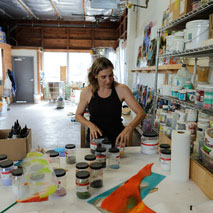
Amia Yokoyama is a multimedia Los Angeles-based artist who works across ceramic sculpture, experimental animation, holography, and installation. Her process explores the negotiations between metamorphosis, hybridity, the collisions of the virtual and physical selves, and inevitable moments of transformation and breakdown. She received her MFA in Experimental Animation from CalArts and attended the Skowhegan School of Painting and Sculpture in 2017. Amia has exhibited her work at the Institute for Contemporary Arts Los Angeles, Armory Center for the Arts, Sebastian Gladstone Gallery (Los Angeles, CA); Jeffrey Deitch Gallery (New York, NY and Los Angeles, CA); The Craft Contemporary Museum (Los Angeles, CA); In Lieu Gallery (Los Angeles, CA); The Japanese American Cultural Center (Los Angeles, CA); The Brand Art Center (Los Angeles, CA); Deli Gallery (Mexico City, MX); The Drawing Center (New York, NY); Anthology Film Archive (New York, NY); and more.

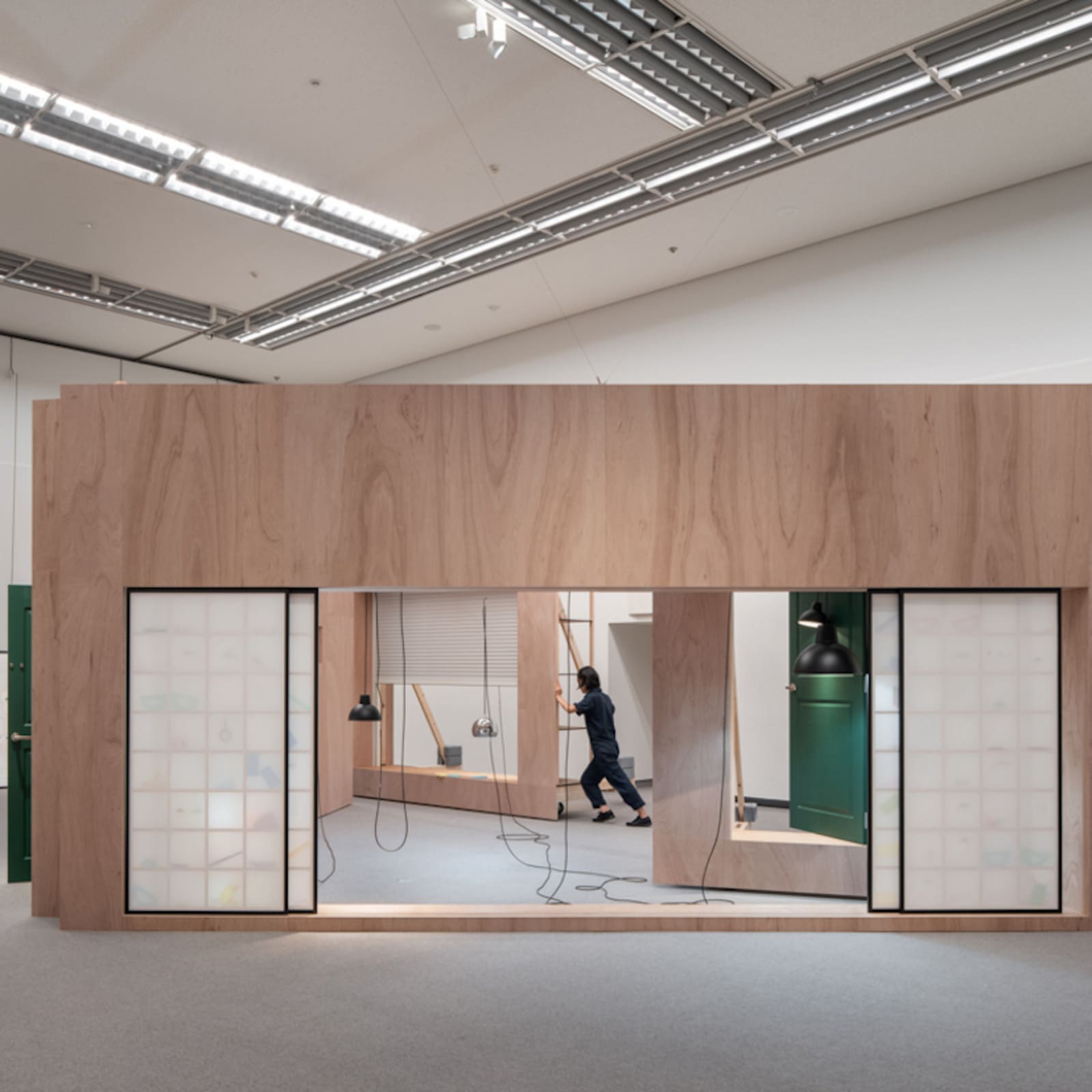
Aki Sasamoto was born in Kanagawa, Japan, and currently lives and works in New Haven/Brooklyn, United States. Sasamoto works in sculpture, performance, video and more. In her installation/performance works, Sasamoto moves and talks inside the careful arrangements of sculpturally altered objects, activating bizarre emotions behind daily life. Her works appear in gallery spaces, theater spaces and odd sites. Her works were shown at Queens Museum; Sculpture Center; the Kitchen; Chocolate Factory Theater;' Whitney Biennial 2010; MOMA-PS1, New York; Museum of Contemporary Art Tokyo; Aichi Triennale 2022; National Museum of Art-Osaka; Hirosaki Museum of Contemporary Art; Yokohama Triennale 2008, Japan; Busan Biennale 2022; Gwangju Biennial 2012, South Korea; Shanghai Biennale 2016, China; Kochi-Muziris Biennale 2016, India; Kunsthal Rotterdam, Netherlands; Studio Voltaire, United Kingdom.; Pirelli Hangar Bicocca, the 59th Venice Biennale, Italy.

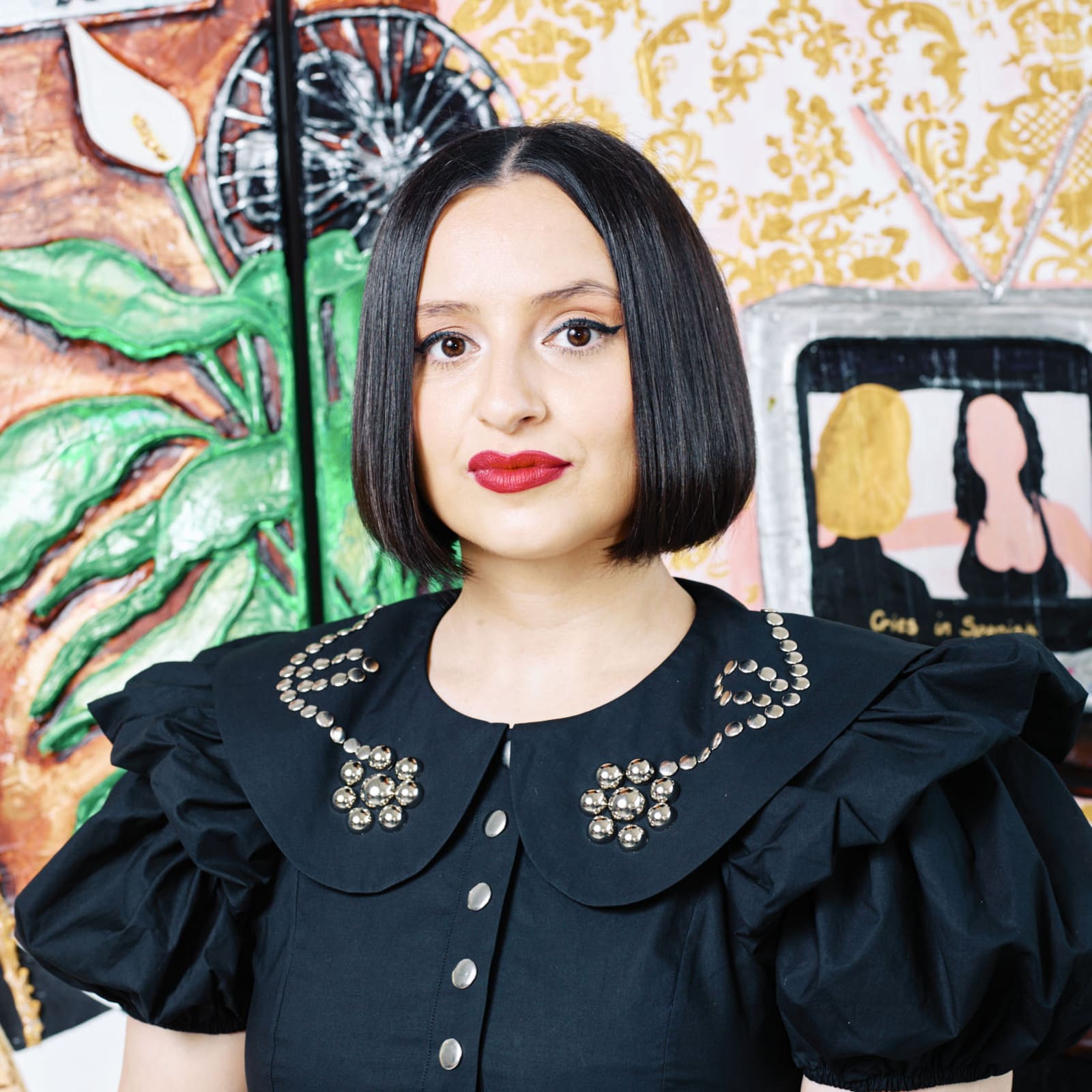
Yvette Mayorga, born in 1991 in Moline, Illinois, is a multidisciplinary artist based in Chicago. Her works link feminized labor and the aesthetics of celebration to colonial art history and racialized oppression through pink as a weapon of mass destruction, flaunting a maximalist aesthetic rooted in personal narrative to examine the Latinx experience in the United States. Mimicking confectionary labor, Mayorga uses piping bags to thickly apply signature bubblegum pink acrylics to canvas. Mayorga holds a BFA from the University of Illinois at Urbana-Champaign and an MFA from the School of the Art Institute of Chicago. Her work is held in the permanent collections of the Smithsonian American Art Museum, Crystal Bridges, El Museo del Barrio and Museum of Fine Arts Boston, among others.

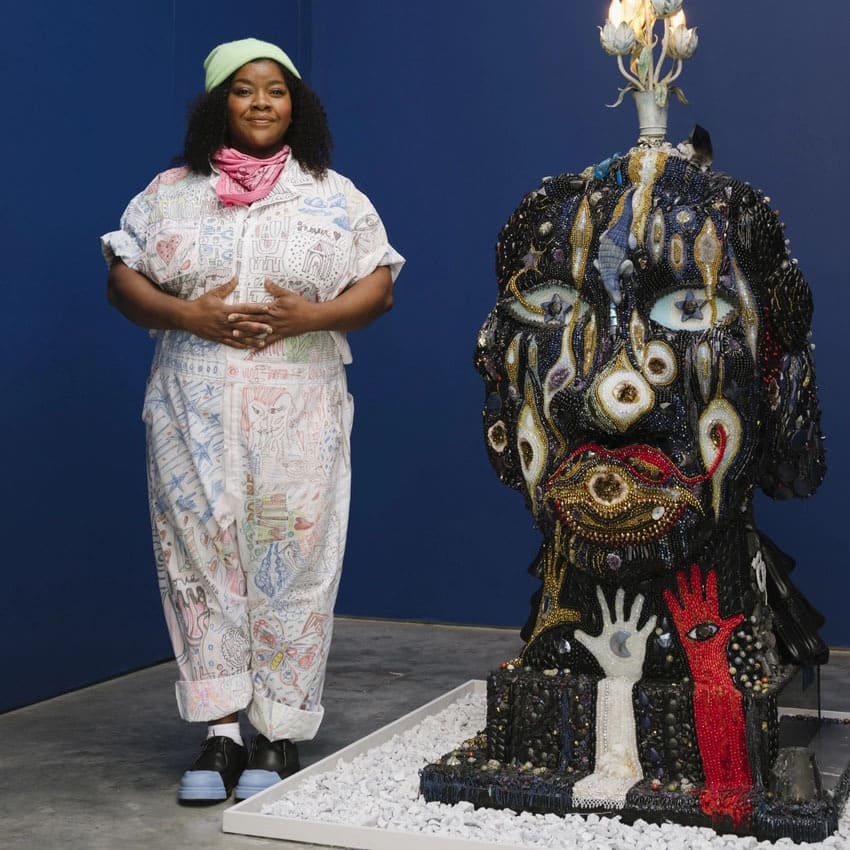
vanessa german is a leading citizen artist working in sculpture, performance, and communal ritual to cultivate spiritual models for transforming human experience. Establishing her own self-taught approach and distinctive artistic language, german’s influential practice employs mineral crystals, beads, glass, found objects, and other sourced material to create expressive figurative sculptures that resound through the physical and metaphysical worlds. Her unique sculptural vocabulary transmits healing energy, affirming the power of love as an infinite human technology.
german’s sculptures are as much defined by their tangible elements as their transcendental properties, a combination which the artist describes as the ingredients of her work. Since the early 2010s, she has assembled ritualistic structures known as power figures using glass, beads, gemstones, nails, wood, and other objects. Whether mineral crystals originating in the earth millennia ago, or cobalt blue bottles resembling those used in bottle tree traditions for generations, every object chosen by german channels frequencies that span its entire existence. Channeling precolonial and African diasporic traditions, her figures allude to the Kongo nkisi nkondi, each charged by the protective and restorative spirits that complement their physical materials. Guided by her own creativity, imagination and curiosity, german follows her intuition about the capacity for objects to tell stories, creating sculptures that resonate deeply with those who encounter them.

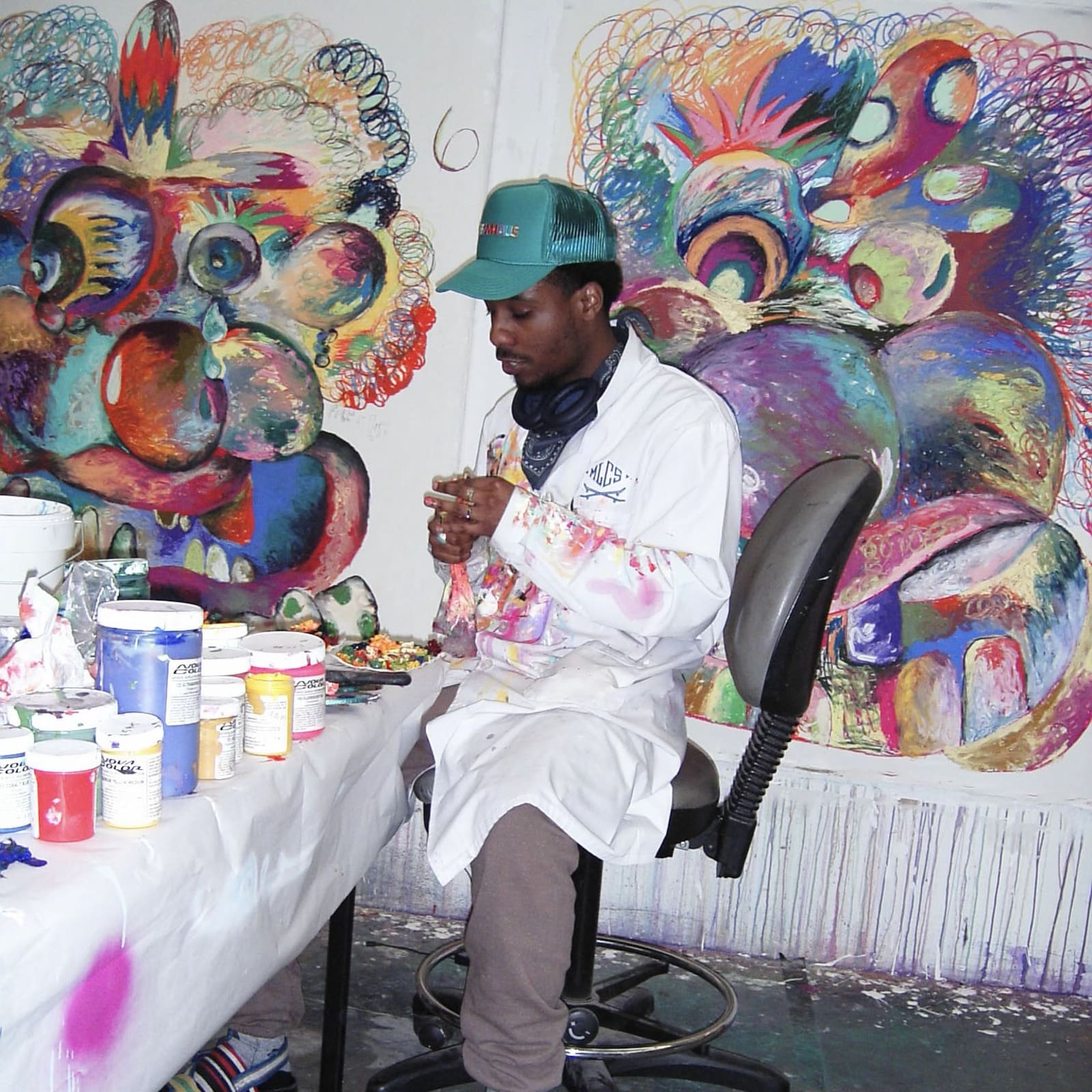
Mike Reesé is a multidisciplinary artist whose work explores emotion, mythology, and identity through symbolic world-building. Drawing from archetypes, semiotics and personal mythology, Reesé creates immersive visual languages that span painting, sculpture and experiential design. His practice merges sculptural abstraction with coded systems of communication, most notably through recurring motifs such as floral forms, masked figures and “The 26 Tribes of Alphabeasts,” an evolving hieroglyphic alphabet representing emotional states of the human experience. Rooted in both fantasy and lived reality, his works investigate preservation, transformation and the ways emotion can be translated into symbolic systems of meaning. Reesé is the co-founder of DREAMHAUS LA and currently serves as Art Director for The OPM Company.

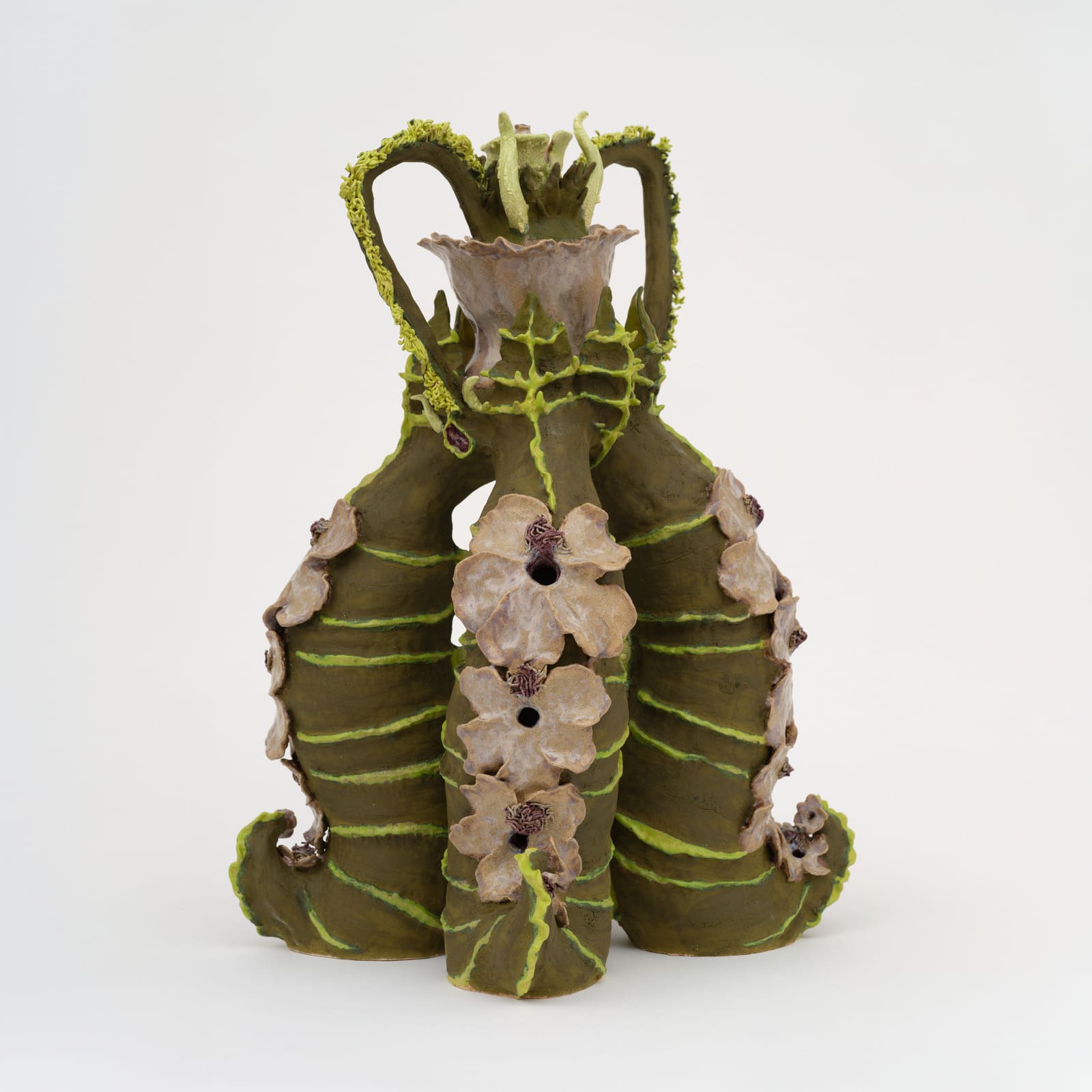
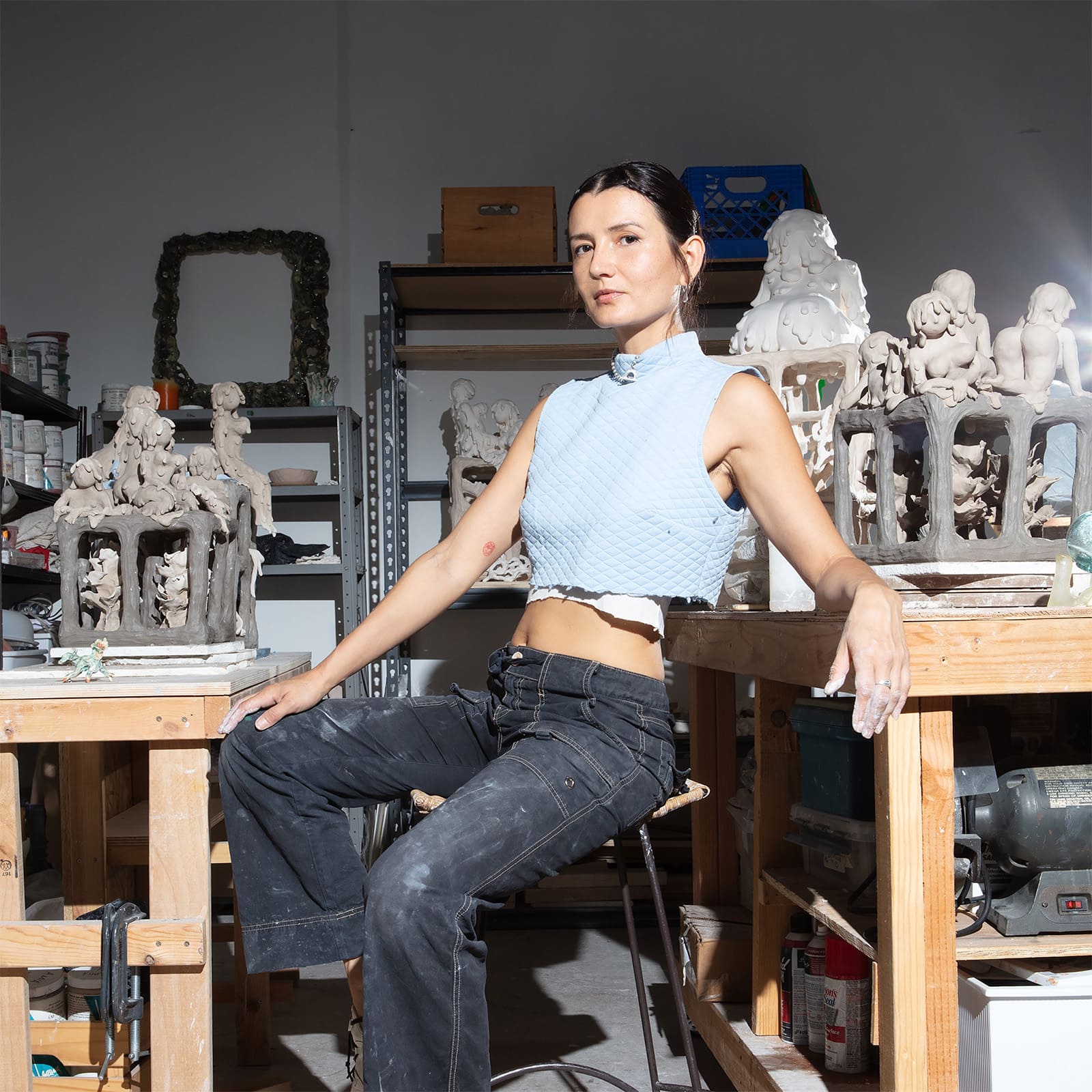
Maddy Inez utilizes ceramics and sculpture to explore themes of healing and ancestral memory, treating clay as both a medium and a metaphor for collective trauma. Her works often evoke plants known for their healing properties or mythological significance, merging the spiritual with the ecological. This approach prompts reflection on humanity’s fragile yet powerful relationship with the natural world.

Jessica Jackson Hutchins, born in 1971, lives and works in Portland, Oregon. Hutchins’s expressive and intuitive studio practice produces dynamic sculptural installations, collages, paintings and large-scale ceramics, all hybrid juxtapositions of the handmade. As evidence of the artist’s dialogue with items in her studio, these works are a means by which the artist explores the intimacy of the mutual existence between art and life. Her transformations of everyday household objects, from furniture to clothing, are infused with human emotion and rawness, and also show a playfulness of material and language that is both subtle and ambitious. Based upon a willingly unmediated discourse between artist, artwork and viewer, Hutchins’s works ultimately serve to refigure an intimate engagement with materiality and form.

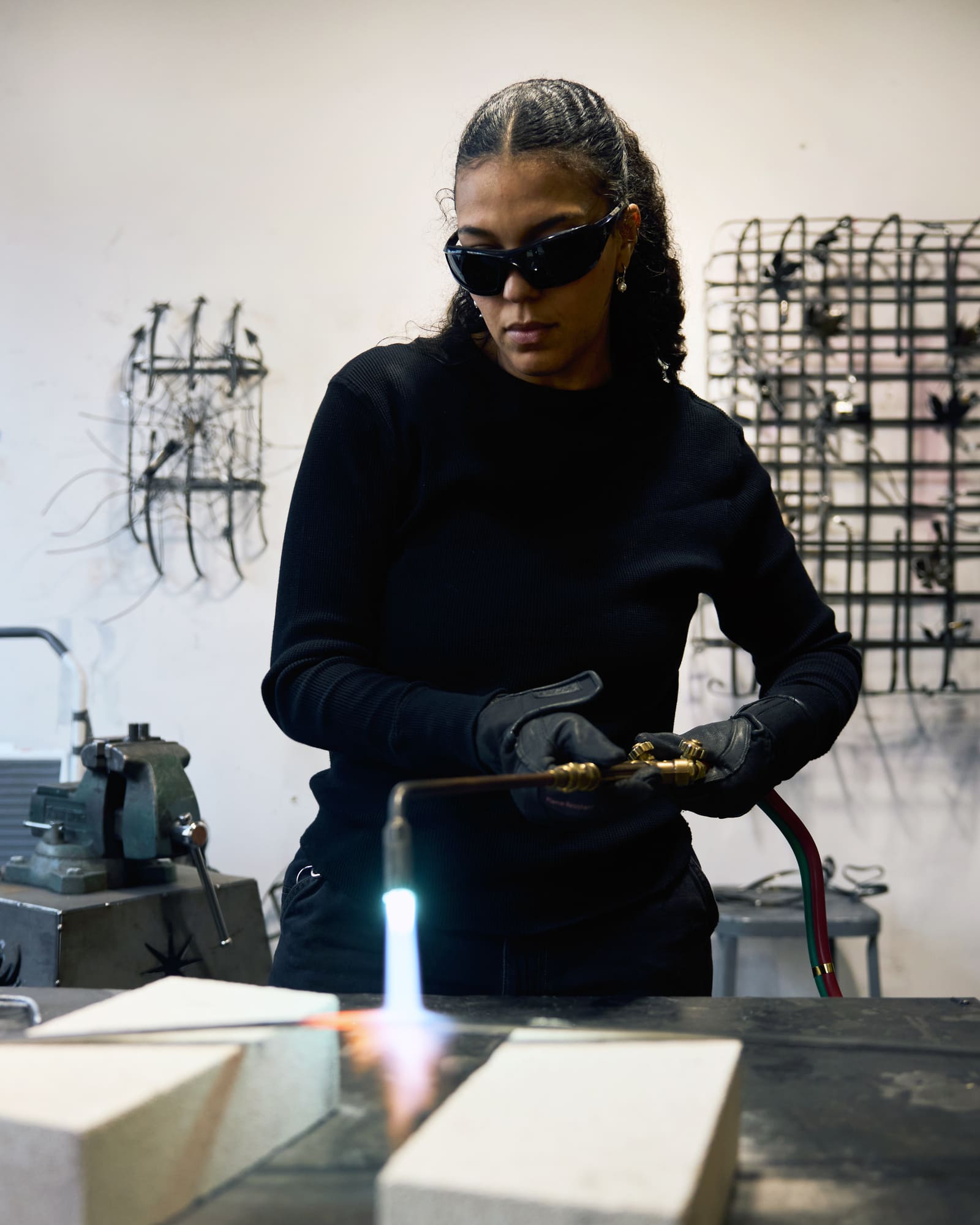
Abigail Lucien is a Haitian American interdisciplinary who uses poetics to ponder concepts such as loss, love and grief as fluid processions rather than states to reach or become. Lucien’s work has been featured in publications such as The New York Times, the Brooklyn Rail, and Art in America. Recent solo exhibitions include the Art Institute of Chicago, Baltimore Museum of Art and Nicola Vassell Gallery in New York City. Awarded residencies include the John Michael Kohler Arts Center, Skowhegan School of Painting and Sculpture, Amant Studio & Research Residency, the Fabric Workshop and Museum, Santa Fe Art Institute, ACRE and Ox-Bow School of Art & Artist Residency. Lucien is based in New York where they are an Assistant Professor and Area Head of Sculpture at Hunter College.

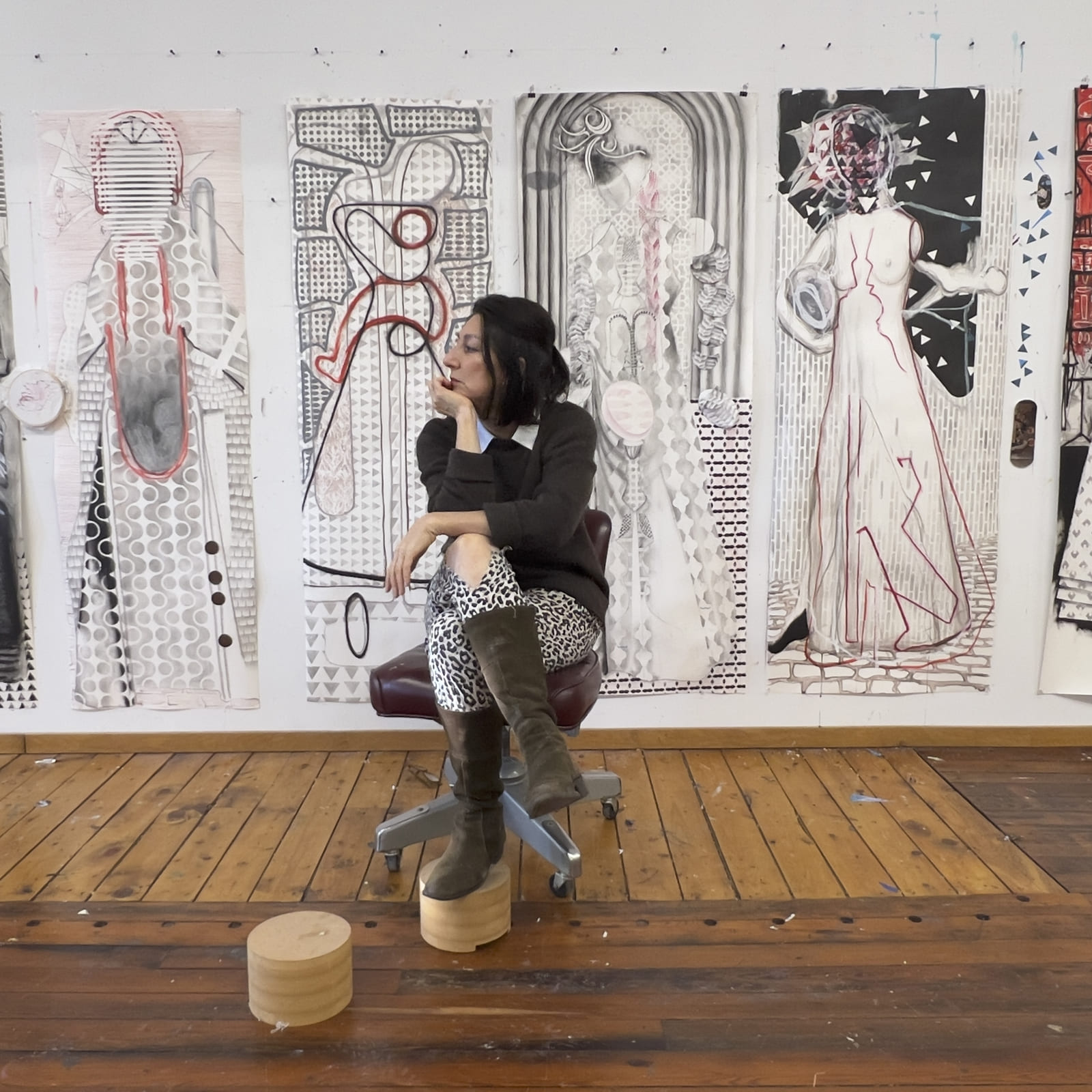
Laleh Khorramian, born in Tehran, Iran, studied at the Rhode Island School of Design, Providence, Rhode Island, and received her BFA at The School of The Art Institute of Chicago, Chicago, Illinois, and her MFA at Columbia University, New York, New York. Her work draws on a rich inheritance of mysticism and storytelling and utilizing the layered methods of painting and printmaking, she creates sculptural costumes, textile collages and illuminated installations. She has presented exhibitions at The Baltic Center for Contemporary Art, United Kingdom; Midnight Moment, Times Square, New York, MASS MoCA, Massachusetts; Sundance Film Festival, Utah; MoMA P.S.1, New York; Guggenheim Abu Dhabi; Ballroom Marfa, Texas; among others. Khorramian lives and works in New York where she is Artist in Residence at Bard College.

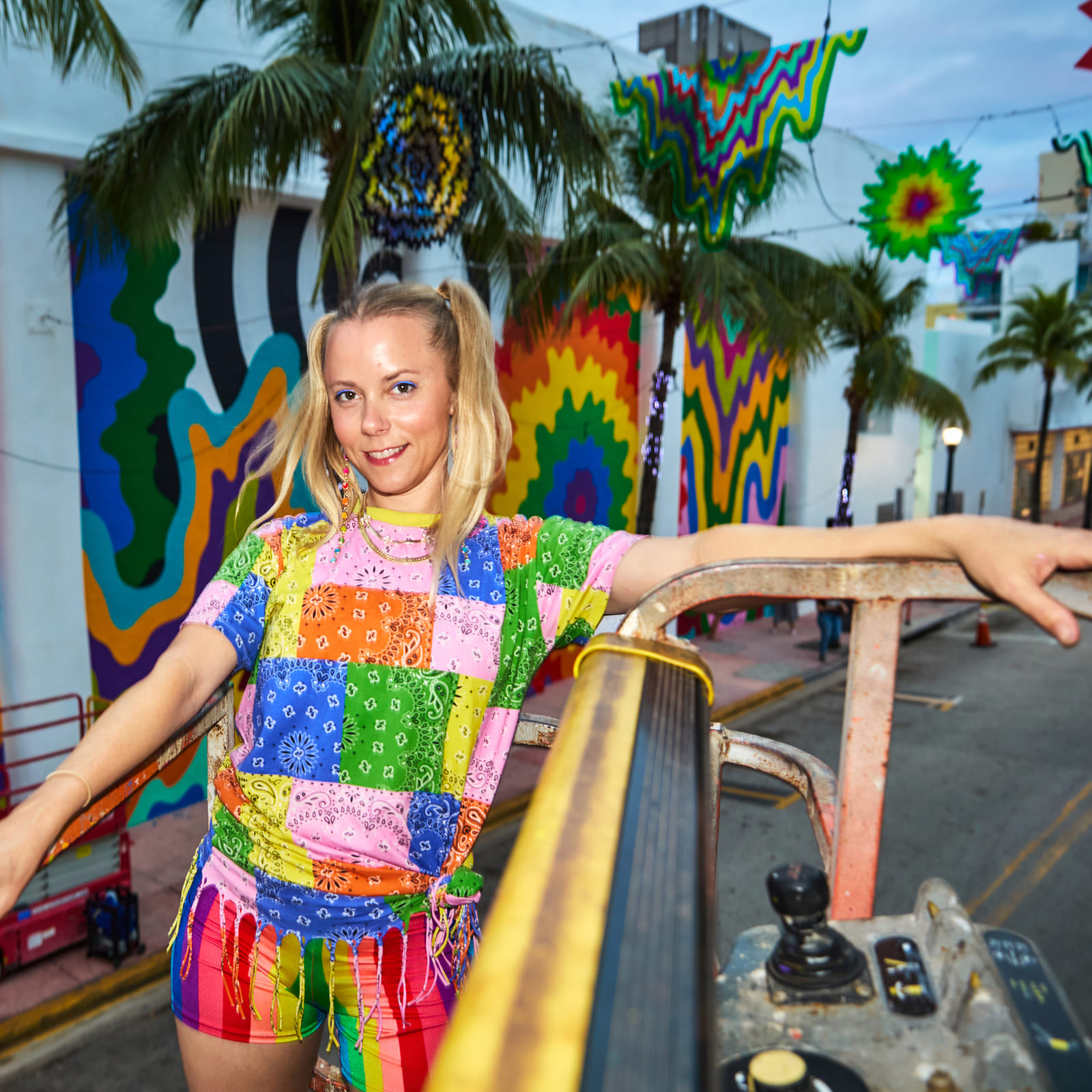
Jen Stark’s art is driven by her interest in conceptualizing visual systems to simulate plant growth, evolution, infinity, fractals, mimetic topographies and sacred geometries. Using available materials — paper, wood, metal, paint — Stark strives to make work that balances on a razor’s edge of optical seduction and perceptual engagement. In recent years, Stark has introduced new technologies into her diverse practice, delving into the digital realm of interactive projections and distinctive NFTs. The resulting works often resemble organic, molecular, cloud-like structures, and are imbued with kinetic, undulating effects that serve to dislocate the viewer from staid reality into an immersive ecosphere of echoing patterns and the implausible designs found in nature. Even her vivid colors are in direct conversation with the natural world; the attractant/repellent properties of flowers encouraging pollination or insects warning birds of their poisonous traits, and the luminous mystery of phosphorescent sea creatures are among Stark’s concerns.

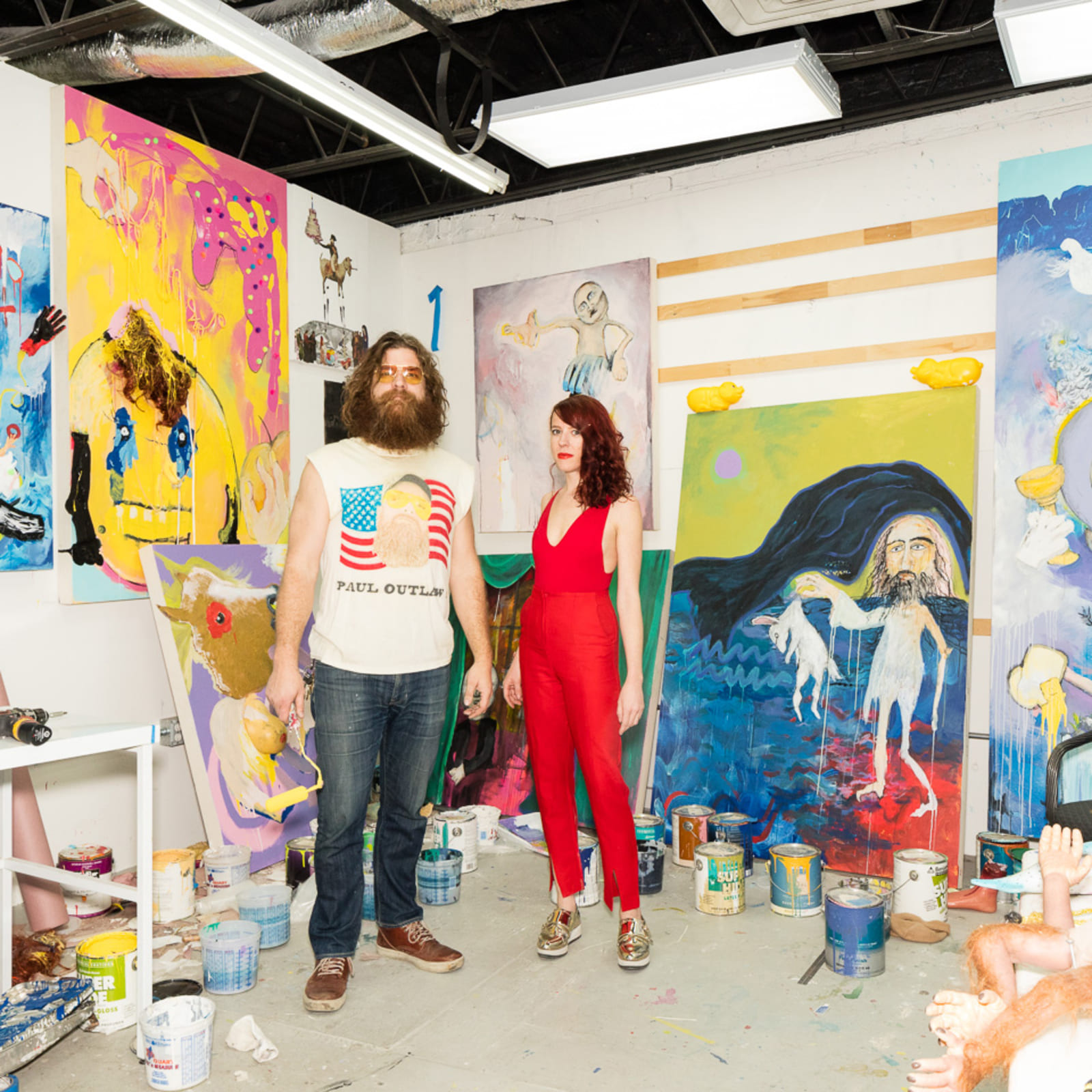
Jen Catron & Paul Outlaw create large-scale sculptures and performances that examine spectacle, excess and the construction of national myth. Working across public and institutional contexts, they transform familiar cultural symbols into civic-scale monuments that oscillate between humor, absurdity and critique. Moving between monumental installations and intimate miniatures, their practice explores how collective belief is constructed through scale, repetition and display. Catron & Outlaw have presented projects with institutions including the Brooklyn Museum, Times Square Arts, and Museum of Contemporary Art Detroit. Their work is held in collections including the Brooklyn Museum and Beth Rudin DeWoody. They live and work in Brooklyn.

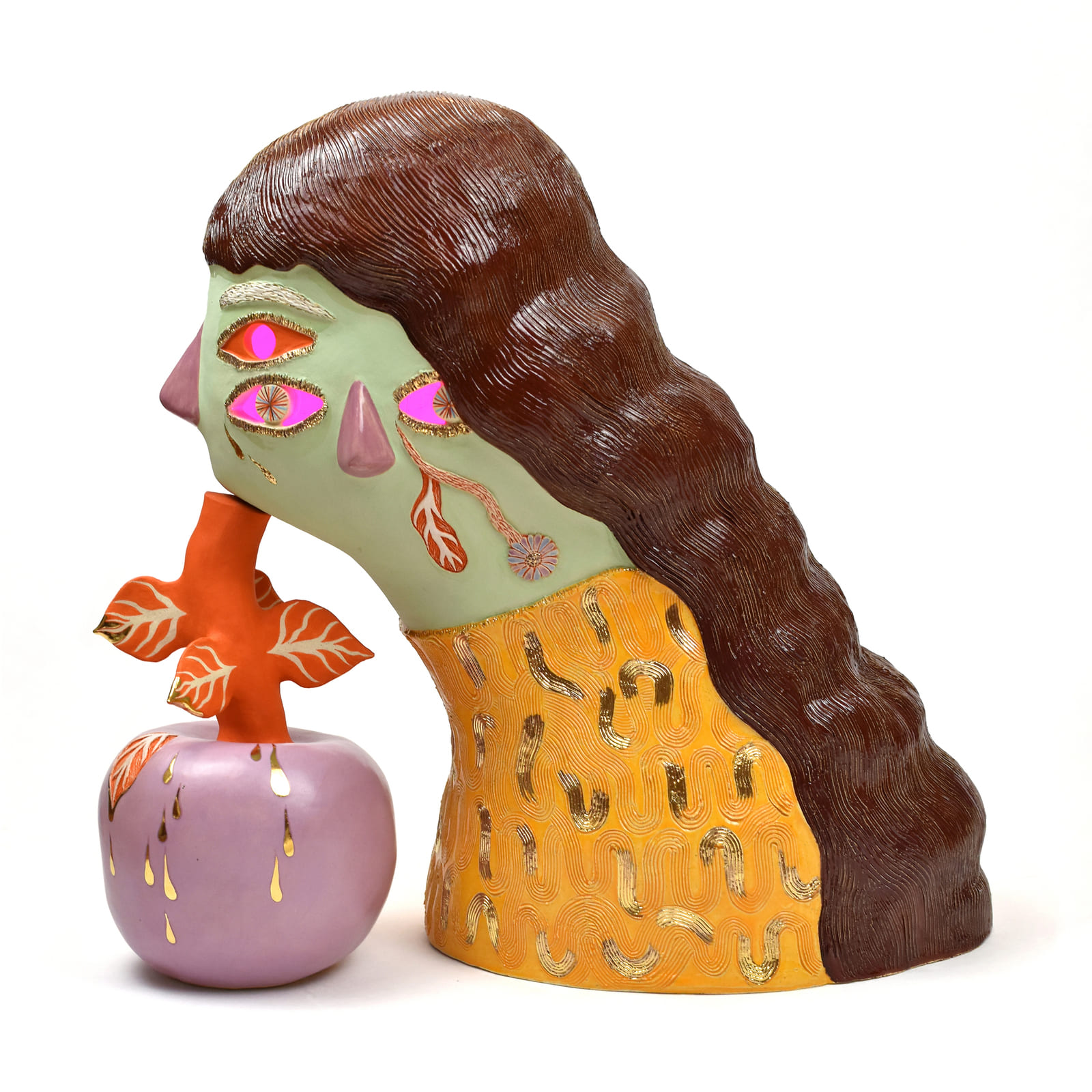
Emily Counts currently lives and works in Tacoma, WA. She creates mixed-media sculptures and installations that engage with craft traditions while exploring femininity, matriarchal identity, memory and nature. When integrating ceramics with colored light or translucent glass and plastics, she seeks to merge nostalgia and historical aesthetics with a futuristic sensibility. Her surreal and commanding female figures explore tender power and the tension between visibility and vulnerability. Her work has been exhibited in institutions including the Museum of Arts and Design in New York, the Torrance Art Museum in California, Oregon Contemporary in Portland, Oregon, and in Washington at the Museum of Museums, the Bellevue Arts Museum, and the Museum of Northwest Art. She has an upcoming solo exhibition at the Tacoma Art Museum.

Looking for an opportunity to surround yourself with the creative energy of glass artists from around the world while also gaining valuable teaching and studio experience? Teaching Assistants and Artist Assistants are a vital part of the Pilchuck community. They support the vision and goals of Guest Artists and Artists in Residence while helping to create a safe and inclusive learning environment.
New and experienced artists alike often make tremendous conceptual and artistic progress in their short time at Pilchuck. Combining a deep focus on glass, access to a variety of resources, a picturesque Pacific Northwest setting and an ever-expanding international community of artists, Pilchuck has become the most comprehensive educational center in the world for glass artists.