A Northwest tradition of inspiration
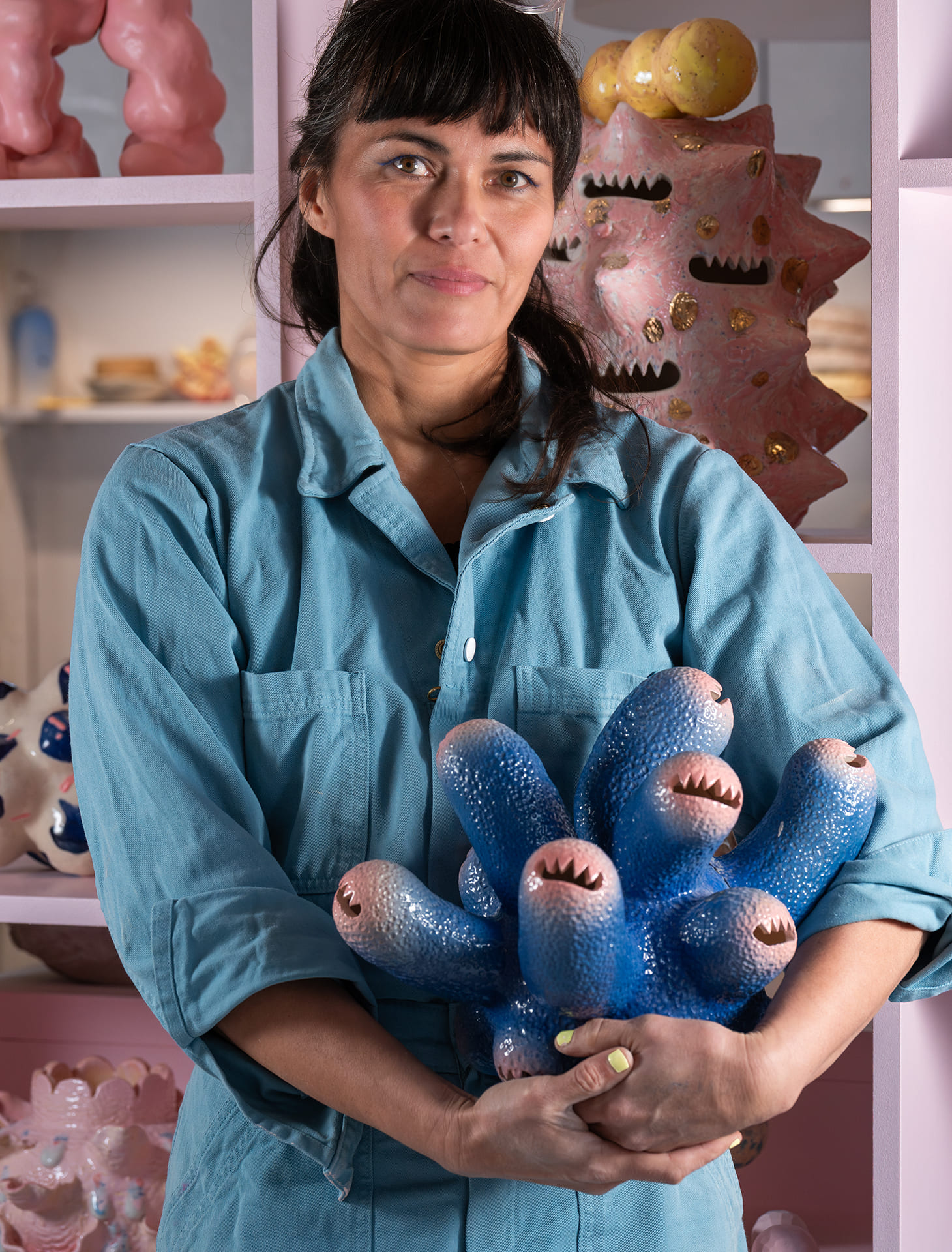
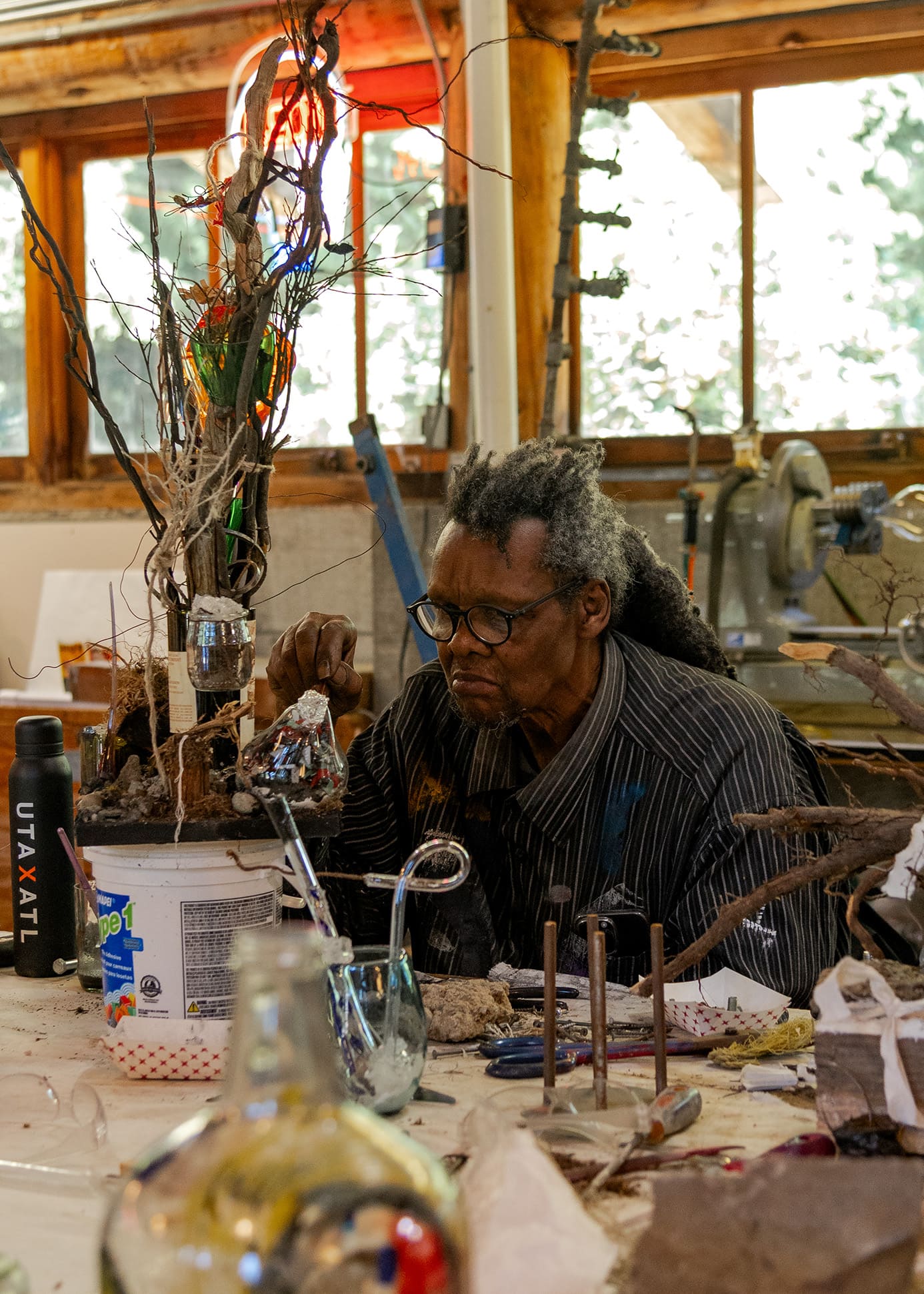
Artists are first invited to participate in the Artist in Residence Program at Pilchuck. Beginning in 1980, the program was inspired by Pilchuck co-founder Dale Chihuly’s vision for a place where artists teach other artists, with the goal of inspiring an international exchange of ideas and introducing perspectives beyond the glass community. Every year, Pilchuck invites noted artists to experiment with glass on campus. Paired with expert glass fabricators and artist assistants, residents can experiment with glass in their practice and add it to their vocabulary of work. The program is one of the pillars of the Pilchuck Glass School educational experience.
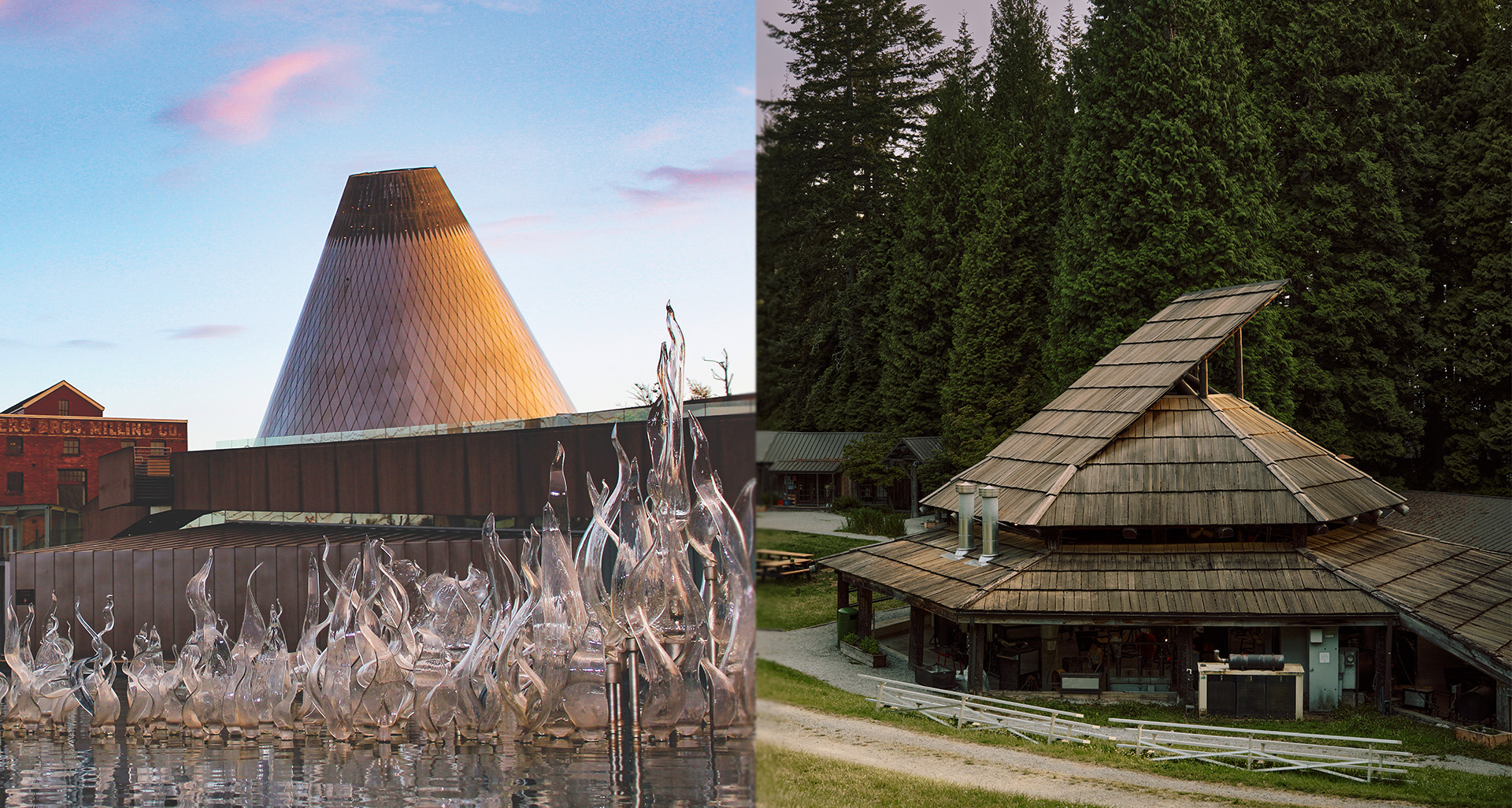
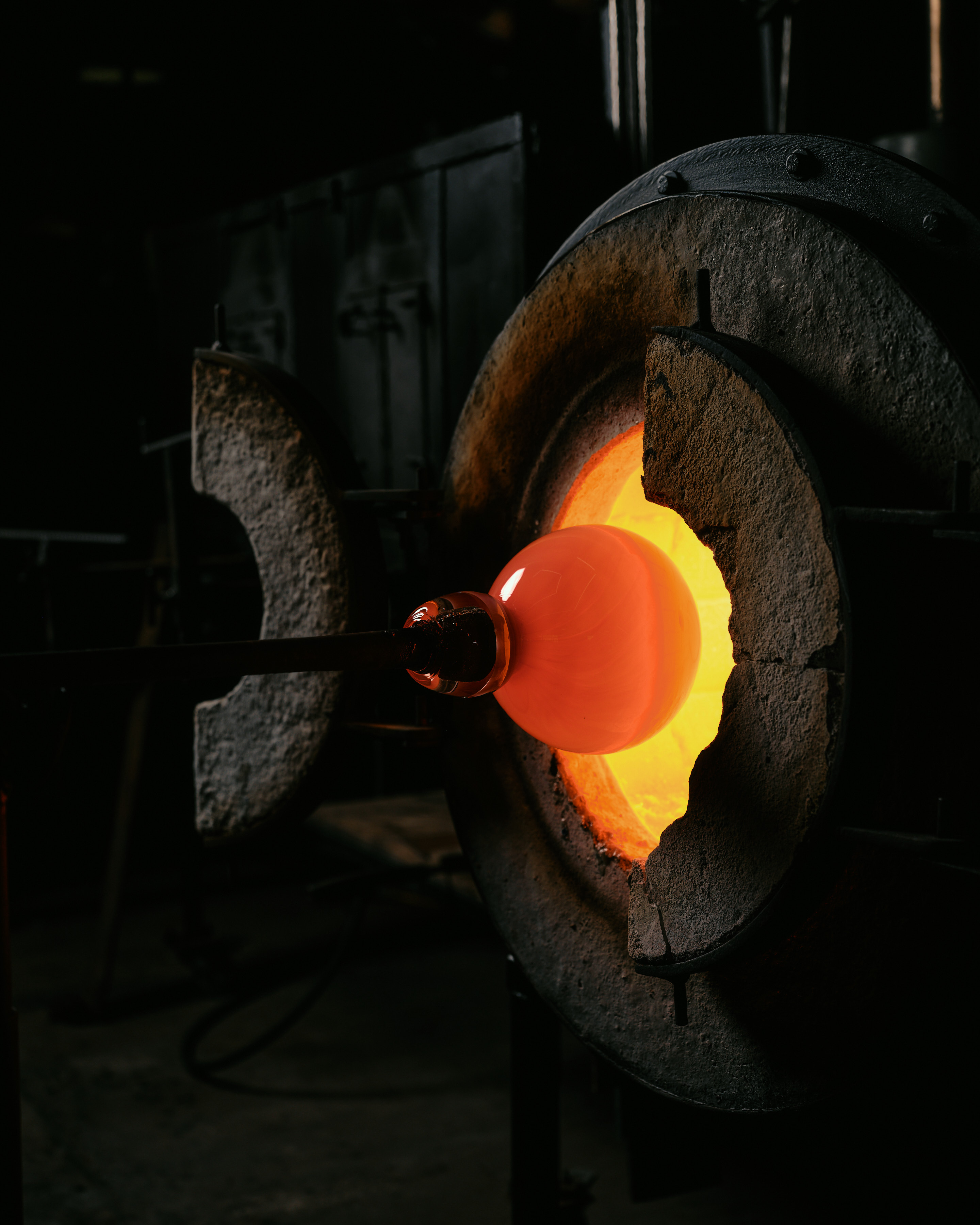
After their sessions at Pilchuck, several Artists in Residence are invited to Museum of Glass for five-day residencies in the Museum’s Hot Shop. These residencies allow artists to expand on ideas started at Pilchuck, complete new works, and continue to push the boundaries of the medium in collaboration with the Museum of Glass Hot Shop Team.
This partnership has resulted in two joint exhibitions at Museum of Glass. First, in 2017, Northwest Partners in Glass presented works in the Museum’s Visiting Artist Collection made by artists who benefited from dual opportunities at the Museum and Pilchuck. Later, 2021’s What Are You Looking At? highlighted the unique experiments and prototypes pursued during artist residencies in the context of each artist’s larger artistic practice. The diversity of creative voices and the collective wonder that was generated exemplified the objectives of the residency programs at both Pilchuck Glass School and Museum of Glass.
"The partnership between the Museum of Glass and Pilchuck Glass School is a natural one. Pilchuck is a place where the glass world comes together, and Museum of Glass is a strong part of that community. Between our Artist in Residence program and our educational workshops taught by world-renowned artists, Pilchuck has been pushing the medium of glass into new territory since 1971. Guest artists, residents, and gaffers come to Pilchuck to explore and experiment with new bodies of work. Through our partnership, they can continue this exploration during their residency at Museum of Glass. It is through this collaboration that two pillars of Pacific Northwest glass are helping artists define the future of the medium," said Michael Endo, Pilchuck Glass School Artist Director.
The partnership between Museum of Glass and Pilchuck Glass School is a testament to how foundational glass is to the Pacific Northwest. Much more than just art, it is a cultural force that connects our region to the world. Museum of Glass and Pilchuck Glass School are the pulse of this legacy, and this partnership highlights our collective leadership in the medium.
“When Museum of Glass opened, everyone involved had strong admiration for the Artist in Residence program at Pilchuck, which, at that point, had already been in place for over two decades. One of the ways in which we grew our Visiting Artist Program was by partnering with Pilchuck. This allowed us to access artists who weren’t necessarily on our radar and establish a stronger connection to the fine arts community. It helped us grow our reputation in both the artist community and the larger glass community. The impact of hosting artists at both institutions is often most tangible when those artists don’t necessarily work in glass. These artists spend valuable time at Pilchuck establishing a foundation in the material and understanding how it can be incorporated into their existing practice. Once they have learned a few things, they come to the Museum and are able to hone their skills and work on those specific ideas and projects that began to take shape at Pilchuck. This arrangement is so beneficial for these artists, and we are honored to play a part in their growth,” added Ben Cobb, Hot Shop Director at Museum of Glass.